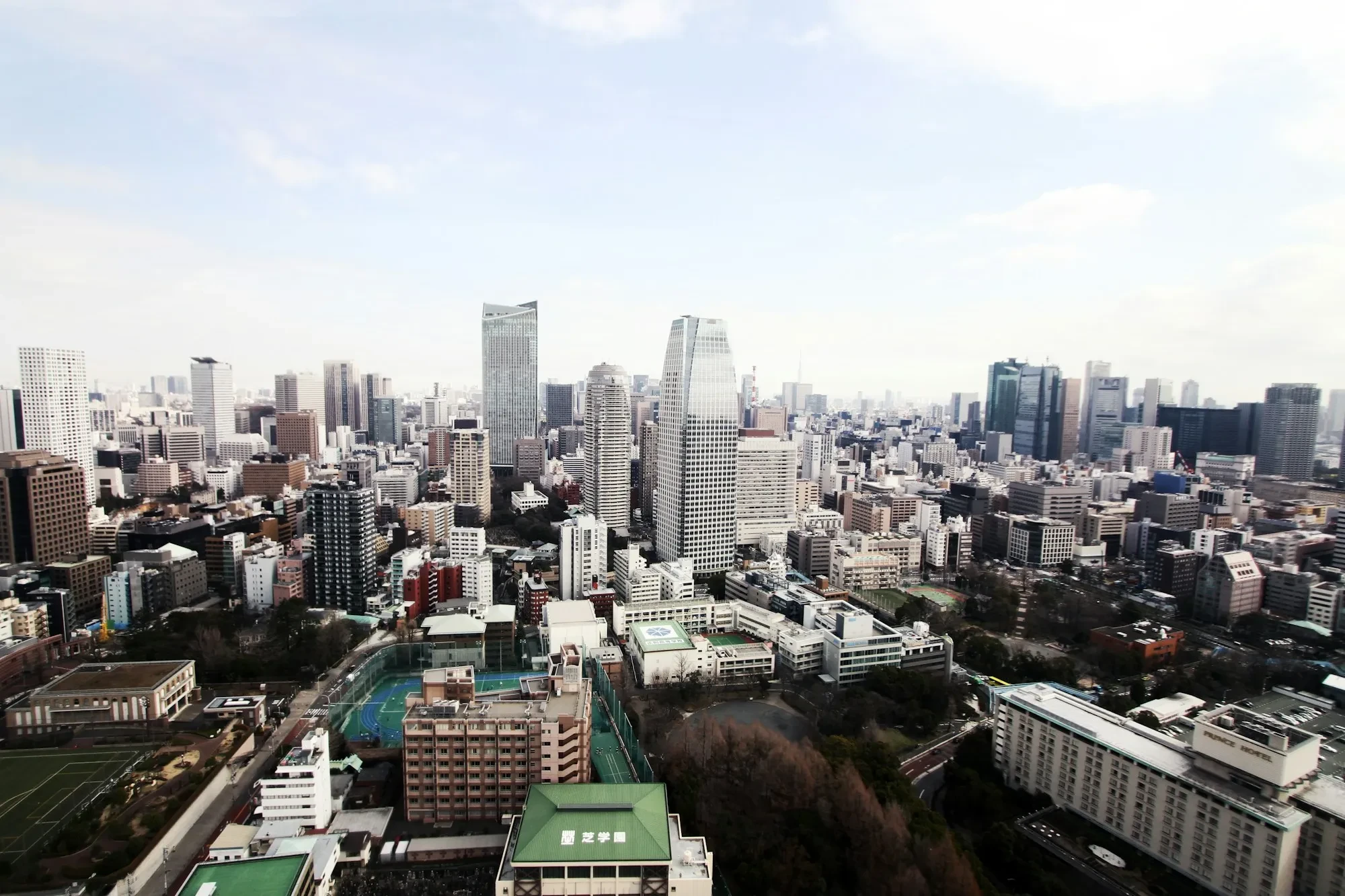
Tokyo spreads across the Kanto Plain at the head of Tokyo Bay, a metropolis of 23 special wards housing roughly 14 million people, with Mount Fuji visible 100 km southwest on clear winter mornings. The city runs on rail rather than roads: 13 subway lines plus the looping JR Yamanote thread together neighborhoods that each function like a self-contained town. Allow 4 days for the core wards; add 2 more for day trips to Kamakura, Hakone, and Nikko.
🕐
Best Time
March–May, Oct–Nov
💴
Currency
Japanese Yen (¥)
🗣️
Language
Japanese; English on subway signs and station boards
🚇
Transport
Subway, JR rail, Monorail, Bus
🌡️
Climate
Humid summers, dry mild winters
Tokyo has two airports, and the gap between them decides your first 90 minutes. From Narita, 60 km out, the Keisei Skyliner reaches Nippori and Ueno in 36 minutes for about $16; the Narita Express hits Tokyo Station in 55 minutes for about $20; the Airport Limousine Bus runs door-to-door to major hotels in 75 to 100 minutes for $20 to $23; the budget TYO-NRT bus undercuts everything at $10 to Tokyo Station in 65 to 90 minutes. From Haneda, far closer to the center, the Tokyo Monorail reaches Hamamatsucho in under 20 minutes for about $3, and the Keikyu Line to Shinagawa runs about $2. The trap: the staffed taxi counter at Narita quotes a fixed $230-plus rate to central Tokyo, double what the Skyliner-plus-metro combination costs. Take the train, transfer at the interchange, and skip the cab unless you land after midnight.
Inside the city, rail beats every other option and the math favors pay-as-you-go. A Welcome Suica needs no deposit, works for 28 days across every subway, JR line, monorail, bus, and convenience store, and most single hops cost $1.30 to $2. The Tokyo Subway Ticket runs $5 for 24 hours, $8 for 48, and $10 for 72, but it covers only Tokyo Metro and Toei lines, not JR, so it pays off only if you ride the subway four or more times a day and avoid the Yamanote loop. Use the Google Maps transit layer or the official Japan Travel app, which lists platform numbers and works offline once a route is cached. There are no stamp machines: tap the Suica on the gate sensor going in and out, and the fare deducts automatically. For taxis, GO is the app that covers all of Tokyo; a 10 to 15 minute metered ride costs $10 to $16 plus a $1 booking fee, worth it only for groups or after the roughly 1 AM last train.
Tokyo's signature is layering: a 1,400-year-old temple gate sits three subway stops from a 634-meter broadcast tower, and a cedar-forested shrine occupies 70 hectares beside the world's busiest pedestrian crossing. The architecture reads as eras stacked rather than blended, Edo-period wood against 1960s concrete against mirrored glass. The culinary core rests on three pillars built for speed and precision: sushi and seafood donburi assembled at a counter in front of you, ramen ladled from a single pot into a queue that turns over in 20 minutes, and the convenience-store onigiri that fuels half the commuting city. Eating well here costs less than eating badly does in most capitals.
Must Visit
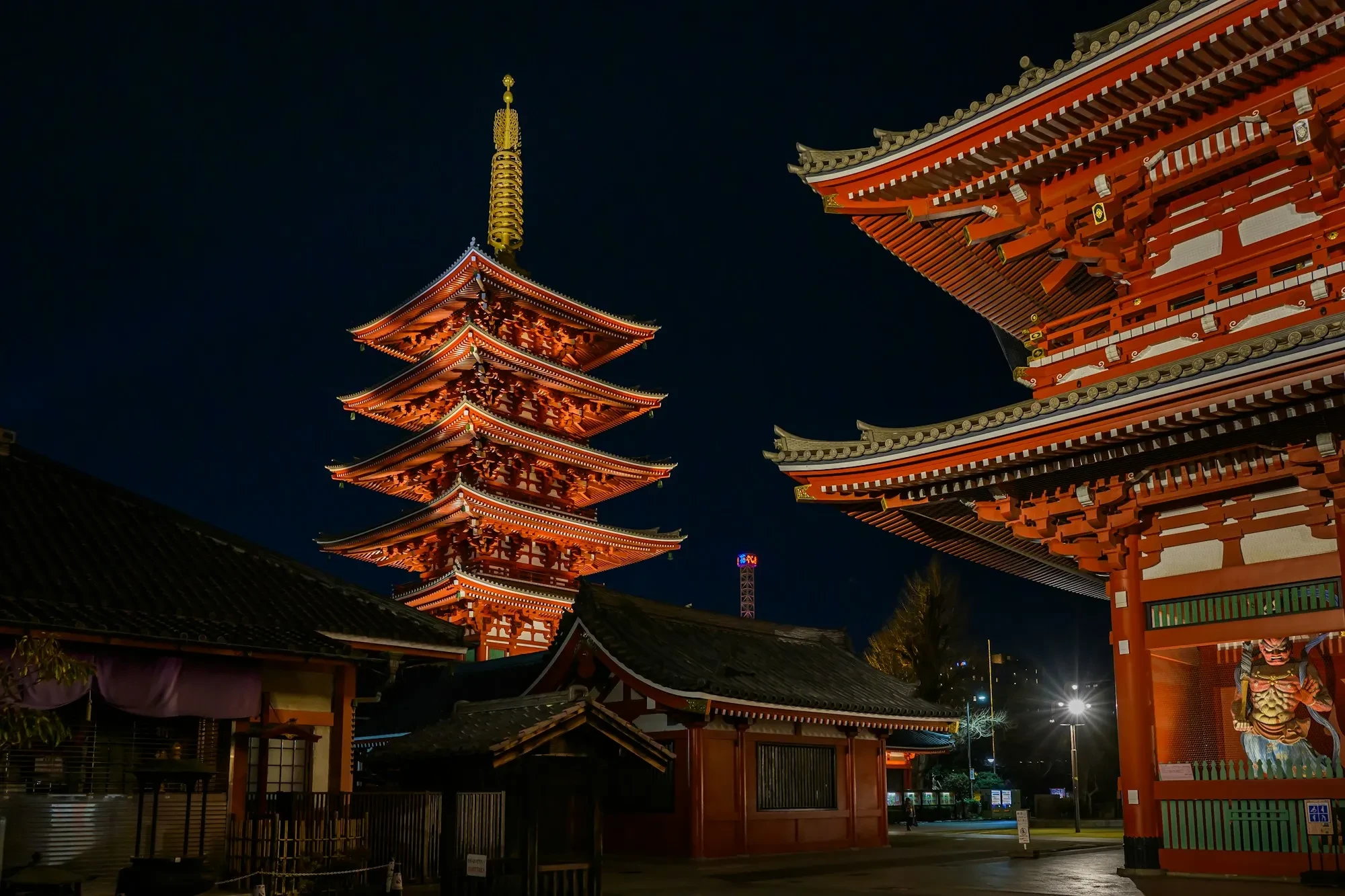
Senso-ji Temple
Founded in 645, Senso-ji is Tokyo's oldest temple and the only major one fronted by Nakamise, a 250-meter shopping lane of snack and craft stalls that has run since the 1700s. Arrive by 8:15 AM: the Kaminarimon gate and its red lantern are walkable before tour buses unload, and the stall shutters roll up as you reach them.
Must Visit
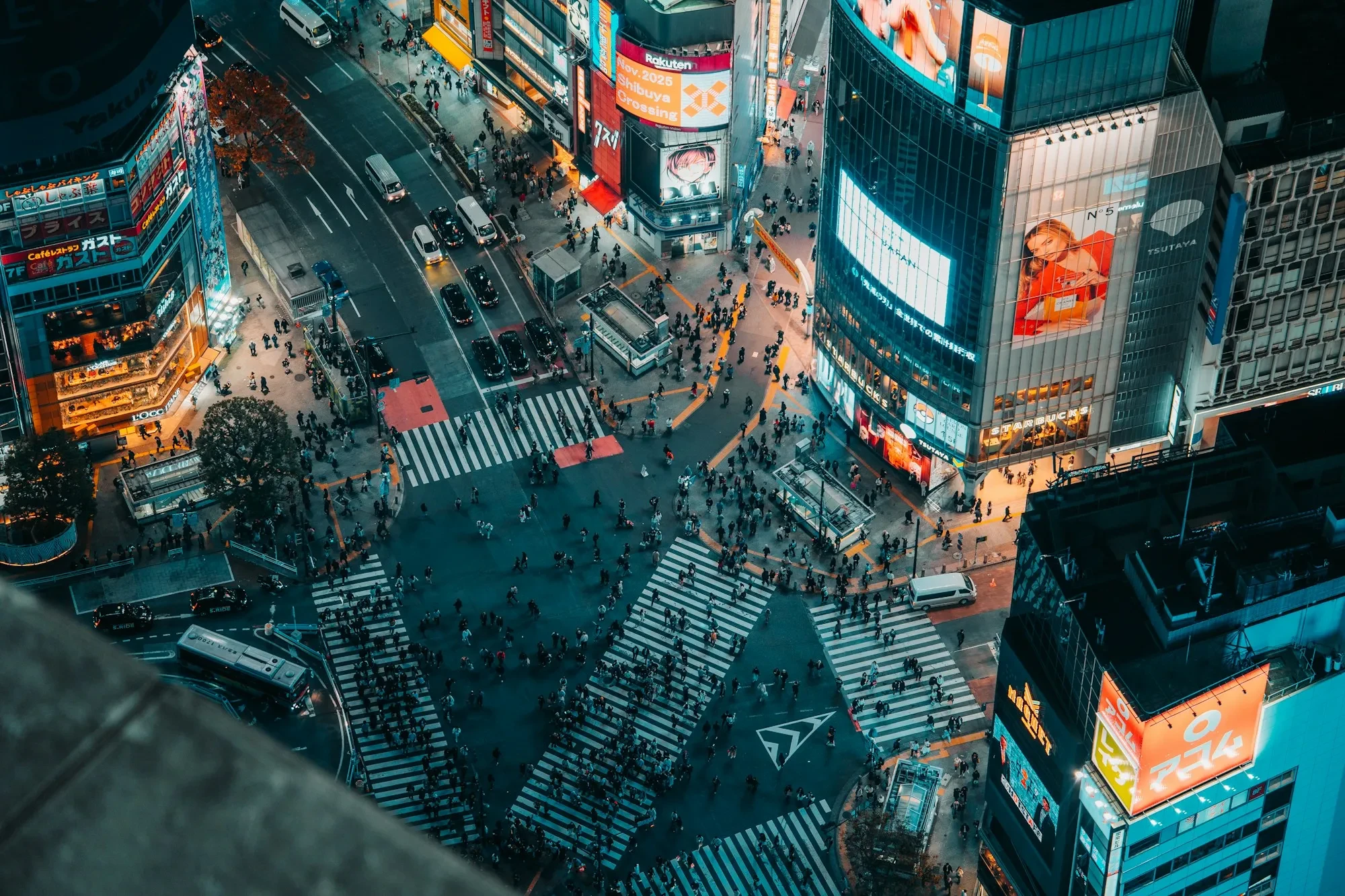
Shibuya Crossing
Up to 3,000 people cross in a single light change here, making it the busiest pedestrian scramble on the planet and a free spectacle no other city matches. View it twice: from the Mag's Park rooftop terrace above the Q-Front building for the overhead pattern, then at street level on the diagonal for the scale.
Must Visit
Tokyo Skytree
At 634 meters, the Skytree is the tallest tower in the world and the only deck in Tokyo high enough to show Mount Fuji on a clear day, unlike the lower Tokyo Tower. Book a timed Tembo Deck slot online to skip the 40-minute counter queue, and aim for the hour before sunset when the city lights flick on below you.
Must Visit
Meiji Shrine
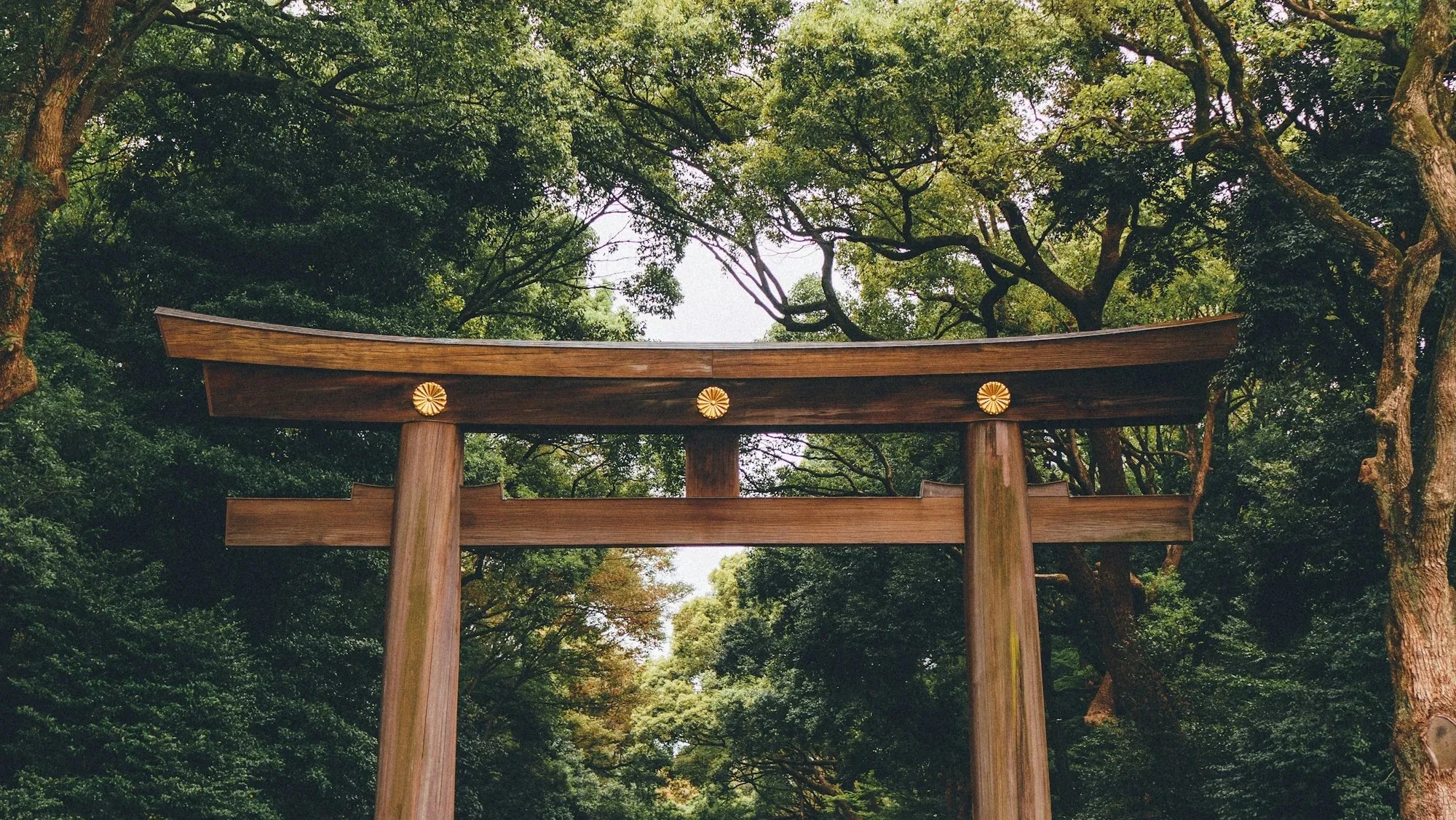
This 1920 Shinto shrine sits inside a planted forest of 100,000 donated trees, a 70-hectare quiet zone wedged against the Harajuku crowds. Enter by 8:30 AM through the 12-meter cypress torii: the gravel approach is near silent before the morning rush, and you may catch a traditional wedding procession crossing the courtyard.
Must Visit
Tokyo Tower
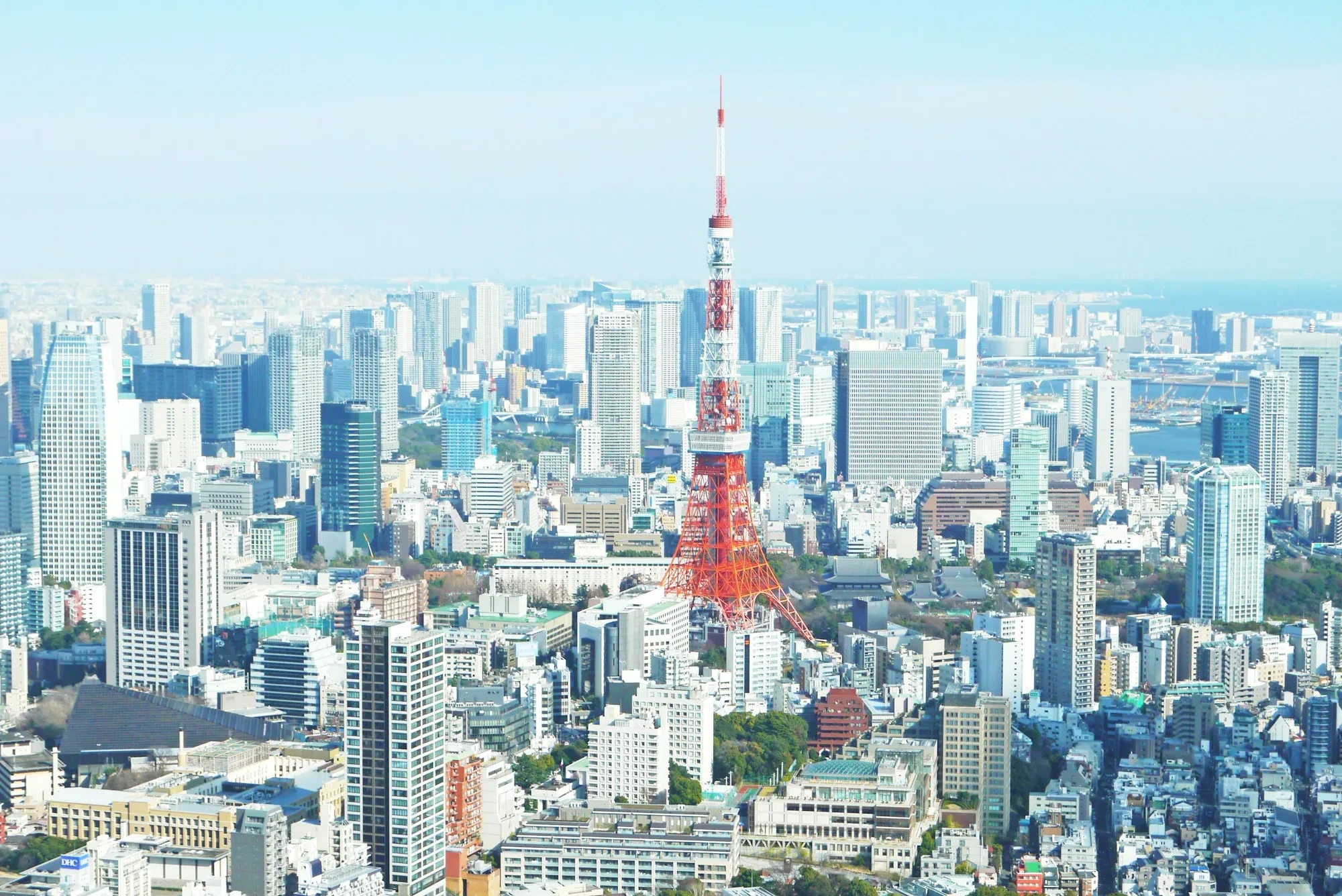
Built in 1958 and painted international orange and white, the 333-meter Tokyo Tower stands one meter taller than its Paris inspiration and anchors the city's retro skyline against the newer Skytree. Come at dusk: the main deck gives a tighter, lower view over central Minato, and the tower itself photographs better from the outside than the taller Skytree does.
-
Sushi and seafood donburi
$8–$18
Raw fish over vinegared rice, sliced and assembled at the counter while you watch; the donburi piles it into a bowl.
Tsukiji Outer Market stalls and standing counters near Toyosu
-
Chicken ramen
$6–$9
Wheat noodles in a clear chicken or seafood broth, served fast and eaten standing or at a counter.
ticket-machine counter shops around Shinjuku and Ikebukuro stations
-
Onigiri
$1–$1.60
A triangle of rice wrapped in seaweed around a salmon, tuna, or pickled-plum center; the commuter staple.
any 7-Eleven, Lawson, or FamilyMart, or the specialist shops in Omotesando
-
Takoyaki
$3–$5
Wheat-batter balls filled with diced octopus, griddled in a dimpled iron pan and topped with bonito flakes.
street griddles along Nakamise in Asakusa and the Ameyoko market
Tokyo is statistically one of the safest large cities on earth, with violent street crime near zero, but two friction points target tourists. The first is the tout-and-overcharge trap in the Kabukicho area of Shinjuku and parts of Roppongi: a well-dressed man speaking fluent English offers a cheap drinks deal, walks you to an upstairs venue, then presents a bill of $300 or more and blocks the exit; police now post multilingual warning boards, and the rule is simple, never follow a street promoter anywhere. The second is far milder, the occasional fake friendly directions from a stranger leading to a private venue. Licensed taxis are the metered street cabs and the GO app; there is no legal ride-share, so ignore anyone offering an unmetered private car. For solo women, women-only train cars run during rush hours until midnight and are marked in pink on platform floor stickers and station signage. Save two addresses: St. Luke's International Hospital has a 24-hour ER 7 minutes from Tsukiji Station on the Hibiya Line, and the U.S. Embassy is at 1-10-5 Akasaka, Minato, nearest stations Tameike-Sanno and Toranomon. The all-purpose emergency number for fire and ambulance is 119.
- Connectivity: an Airalo or Holafly eSIM riding the NTT Docomo or SoftBank network costs $5 to $9 for a week of data and activates on landing; a physical local SIM at the airport runs $25 to $40, so the eSIM wins for most stays.
- Cash and cards: 7-Eleven and Japan Post ATMs accept foreign cards 24/7 and charge about $1.40 per withdrawal; cards work in chains, but small Asakusa stalls, the Enoden tram, and old soba shops are cash-only, so carry $80 in yen.
- Power: outlets are Type A, the flat two-pin US plug, at 100 volts; US devices plug in directly, but UK and EU travelers need an adapter and most laptop chargers handle the 100-volt feed fine.
- Advance bookings: Shibuya Sky, the Skytree Tembo Deck, and teamLab Planets sell timed slots that fill 24 to 72 hours ahead in spring; book on their official sites, gotokyo.org links each one.
- Visa and entry: US, UK, EU, Canadian, and Australian passport holders get visa-free stays up to 90 days; the Visit Japan Web portal pre-clears your customs and immigration QR codes, cutting the arrival queue.
- Backpacker, about $95/day: a hostel dorm bed at $30 to $40, a 72-hour subway pass averaging $3.30/day, two convenience-store and street-food meals at $12 total, and one $6 temple or garden admission.
- Mid-range, about $150/day: a 3-star business hotel near a Yamanote stop at $90 to $110, Suica fares and one short GO taxi, three counter meals, and two paid sights such as the Skytree and a museum.
- Comfort, about $210/day: a business-class hotel in Shinjuku or Ginza at $150-plus, metered taxis between districts, sit-down seafood meals, and premium timed-entry experiences like Shibuya Sky at sunset.
- The counterintuitive saver: skip the $39 rail-pass math for a city-only stay; pay-as-you-go Suica fares rarely top $7 a day inside the 23 wards, far below any tourist pass break-even.
Shinjuku puts you on the densest transit hub in the world with every line and the Narita and Haneda buses, but the west exit warrens are loud and the nightlife streets push the tout problem; pick the south or Yoyogi side. Shibuya is younger and walkable to Harajuku and Meiji Shrine, with steep prices and constant crowds. Ginza and the neighboring Tokyo Station area are calm, central, and pricey, with the easiest Narita Express access and good for early-morning Tsukiji runs. Asakusa is the cheapest of the four, low-rise and old-Tokyo in feel, but it sits on the eastern edge so the loop rides run longer. Ueno splits the difference: mid-priced, on the Yamanote loop, a Skyliner terminus from Narita, and walkable to the museum park.
- March to early April: cherry blossom peak draws the biggest crowds and the highest hotel rates; book flights 3 to 4 months out and expect Ueno Park packed by 9 AM.
- April to May and October to November: mild dry weather, thinner crowds, and the best balance; mid-week flights in these months are the cheapest, Tuesday and Wednesday departures run lowest.
- Best month is November: clear air, autumn color in the gardens, and Mount Fuji visible from the Skytree on most mornings; worst is the June to mid-July rainy season followed by a humid 35°C August.
- Avoid Golden Week, late April into early May, when domestic travel spikes prices and packs every day-trip line; the August Obon week does the same.
Three escapes sit within a half-day of central Tokyo, ordered shortest first. Kamakura is 57 minutes and about $6 each way on the JR Yokosuka Line from Tokyo Station: a seaside town of temples anchored by the 13-meter bronze Great Buddha at Kotoku-in, and a full day is plenty, go on a weekday. Hakone is 85 minutes and about $16 on the Odakyu Romancecar from Shinjuku: a volcanic hot-spring region with a ropeway over the Owakudani vents and a Lake Ashi boat crossing framed by Mount Fuji; the $39 Hakone Free Pass covers the loop and beats paying each leg. Nikko is 2 hours each way for about $18 via limited express from Asakusa: a UNESCO-listed shrine complex of Edo-period carved halls in cedar forest, worth it but tight as a day trip, so leave by 8 AM.
The current reality in Tokyo is that the headline sights are the least interesting part of the city, and the locals route around them. Three off-list finds keep surfacing from people who actually live the rail map. First, the rooftop garden on the ninth floor of the KITTE building beside Tokyo Station: free, open until late afternoon, and the cleanest head-on shot of the red-brick station facade and the bullet trains sliding in below, with none of the paid-deck crowds. Second, the standing-room seafood counters inside Toyosu Market rather than the tourist-clogged Tsukiji outer lanes; arrive before 9 AM through the public viewing concourse and eat where the wholesalers do for half the Tsukiji price. Third, the Nezu and Yanaka backstreets in the old Shitamachi quarter, reachable on the Chiyoda Line: a grid of pre-war wooden houses, a long market street, and a hilltop cemetery walk that the tour buses never reach, best on a weekday morning when the bakeries open.
- Station toilets are free, clean, and everywhere, including inside the ticket gates; department stores and convenience stores also let you use theirs at no charge.
- English reality: ticket machines, gate signs, and major station boards have English, and station staff carry translation tablets; side-street menus and small shops often do not, so a photo-translate app earns its keep.
- Tipping: never tip, anywhere; it is not expected at restaurants or taxis and leaving coins on the table reads as confusing, not generous.
- Tap water: safe to drink straight from any tap citywide; a 500ml bottle from a convenience store or vending machine runs $0.70 to $1 if you prefer chilled.
- Dress code: shoulders and knees covered at temple and shrine main halls, remove shoes where a step-up and a shoe rack appear; everyday city dress is anything, shorts and t-shirts fine across all wards.