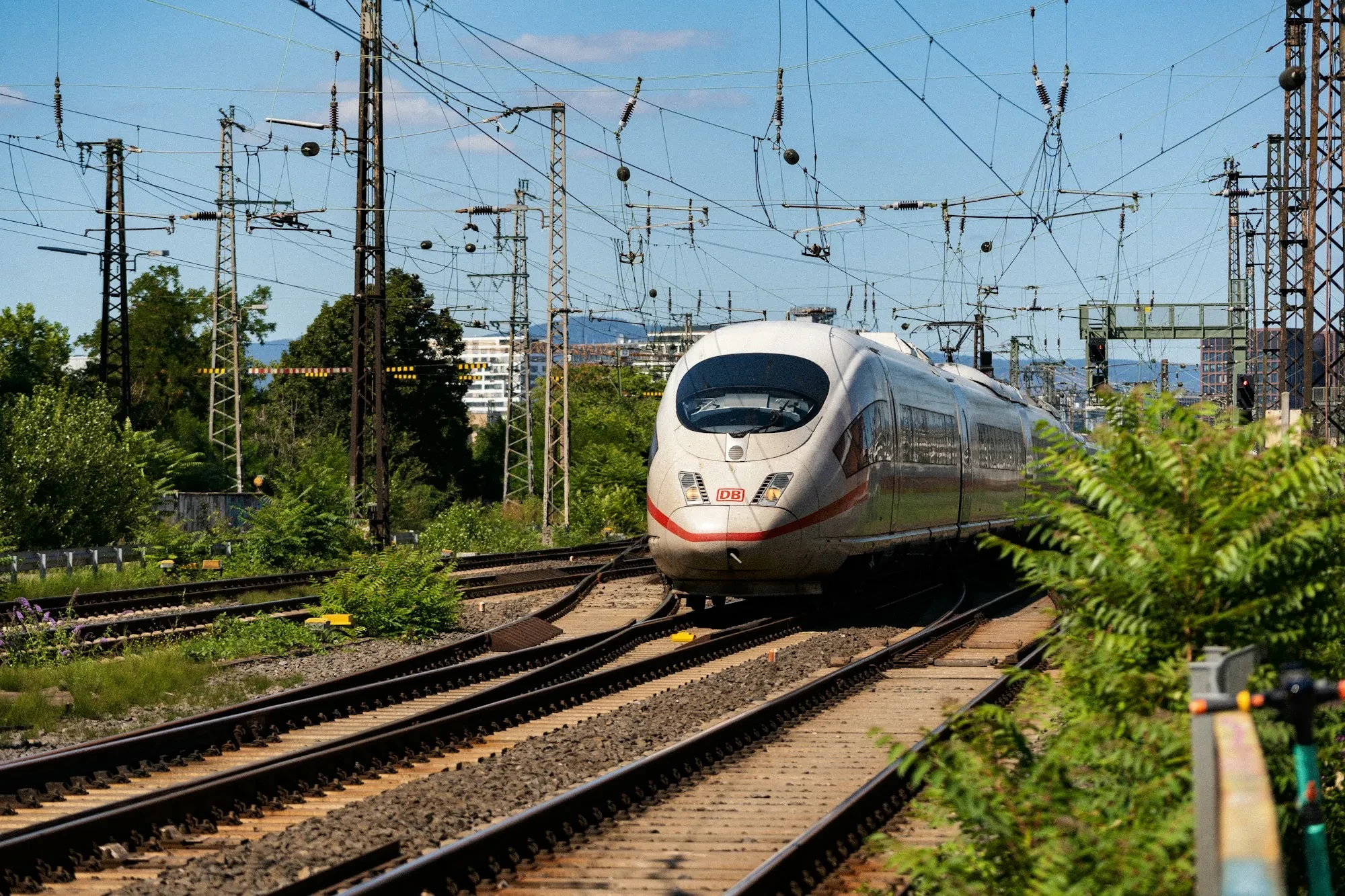
A Eurail Global Pass only pays off if you take long cross-border journeys on most travel days; for a fixed two- or three-city trip, separate advance point-to-point tickets are usually cheaper. A 7-days-in-1-month adult pass costs around $411 (about $309 for travelers aged 12 to 27), and a 15-day continuous pass runs around $514. The catch most first-timers miss: the pass covers the ride but not the compulsory seat reservation on high-speed and night trains, which is charged on top. Decide pass-versus-tickets by adding those reservation fees to the pass price before you buy.
- Buy a Global Pass when you ride long-distance trains on at least 4 of every 7 travel days and your route crosses several countries: at roughly $411 for 7 flexible days, each travel day needs to be worth about $59 in tickets to break even.
- Buy advance point-to-point tickets for a fixed route between 2 or 3 cities: booked 2 to 3 months out, a Paris-to-Amsterdam fare or a Rome-to-Florence fare is often half what the equivalent pass day plus reservation costs.
- Take slower regional trains to dodge fees entirely: most national and regional services in Germany, Switzerland, and Austria require no reservation, so a pass holder rides them at zero extra cost while high-speed trains add a fee every time.
- Consider the Plus Pass if you dislike booking reservations: it folds most seat reservation costs into the pass price, trading a higher upfront figure for not chasing per-train fees across multiple national booking sites.
- Children under 12 travel free with an adult pass holder, up to two children per adult, so a family of two adults and three young children needs only the two adult passes.
The reservation is a separate seat ticket tied to one specific train and time, and it is mandatory on every high-speed, night, and scenic service even when you hold a pass. France charges about $11 for a TGV seat, rising to roughly $22 once the cheaper quota sells out; Italy's Frecciarossa is about $14; Spain's high-speed trains run $7 to $11. Eurostar between London, Paris, and Brussels takes a fixed passholder fare of about $38 in standard and $43 in first, and the Paris-to-Amsterdam high-speed service charges about $27. Each railway sells its own reservations, so a multi-country trip means booking through several national sites or the Eurail app. The pass-holder reservation quota on popular trains is small and sells out weeks ahead in summer, which is the real reason passes can leave you stranded on a 'sold-out' train that still has full-fare seats.
- Reserve high-season and night trains the moment booking opens, typically 60 to 90 days before departure: pass-holder seat quotas are capped separately from regular tickets and the France, Italy, and Spain high-speed routes fill first.
- Skip reservations where they are optional: German ICE, Swiss intercity, and most Austrian services let pass holders board any seat without one, saving the fee on every leg you take inside those countries.
- Book Eurostar passholder seats directly with Eurostar rather than through a reseller: the quota is tiny, so the passholder fare of about $38 disappears fast and you are pushed to a full fare of $90 or more.
- Use a night train to save a hotel night and a fee-heavy day: a Nightjet couchette is about $37 in a 6-berth or $48 in a 4-berth compartment, and the journey counts as one travel day on a flexi pass while covering distance you would otherwise pay daytime high-speed fees to cross.
- Carry the reservation as both a screenshot and a printout: conductor scanners and station Wi-Fi fail often enough that a paper copy has saved more than one traveler from a penalty fare on a train where the app would not load.
Three errors turn a smooth rail trip into a costly one. First, treating the pass as all-inclusive: travelers board a French or Italian high-speed train with a valid pass but no reservation and are fined as fare dodgers, because the law treats a missing reservation the same as a missing ticket. Second, buying the pass for a trip that does not suit it: a week of short hops between three nearby cities almost never beats advance tickets once reservation fees are added, yet the pass is marketed as the default. Third, activating the pass on the wrong calendar: a flexi pass burns a full travel day the instant you board after midnight, so an overnight train boarded at 11:50 PM costs two travel days instead of one if you let it tick over.
- Validate or activate correctly: the mobile pass requires you to add each journey in the Eurail app and start the trip before boarding, and an unactivated pass scanned by a conductor is treated as no ticket, with on-board penalties of $60 to $130 depending on country.
- Scam warning: searches for 'Eurail' surface lookalike resale sites that add a markup or sell invalid passes; buy only from eurail.com, interrail.eu for European residents, or a named retailer such as Trainline, and check the URL before entering card details.
- Scam warning: at major stations including Roma Termini and Paris Gare du Nord, people in unofficial vests offer to 'help' at ticket machines and then demand a tip or steer you to a pricier fare. Staffed ticket offices wear branded uniforms and never solicit tips at the machine.
- Watch the strike calendar before you commit to a date: France and Italy run pre-announced rail strikes several times a year, and a pass does not entitle you to a refund for a train that simply does not run, so check the operator site the week before travel.
- Board with a printed itinerary of platform and train numbers: high-speed platforms in large stations like Madrid Atocha and Frankfurt change at short notice on the departure board, and the train number on your reservation is the reliable way to find the right one.